

Hidden Moisture Can Remain Beneath a Roof Even When the Surface Appears Dry
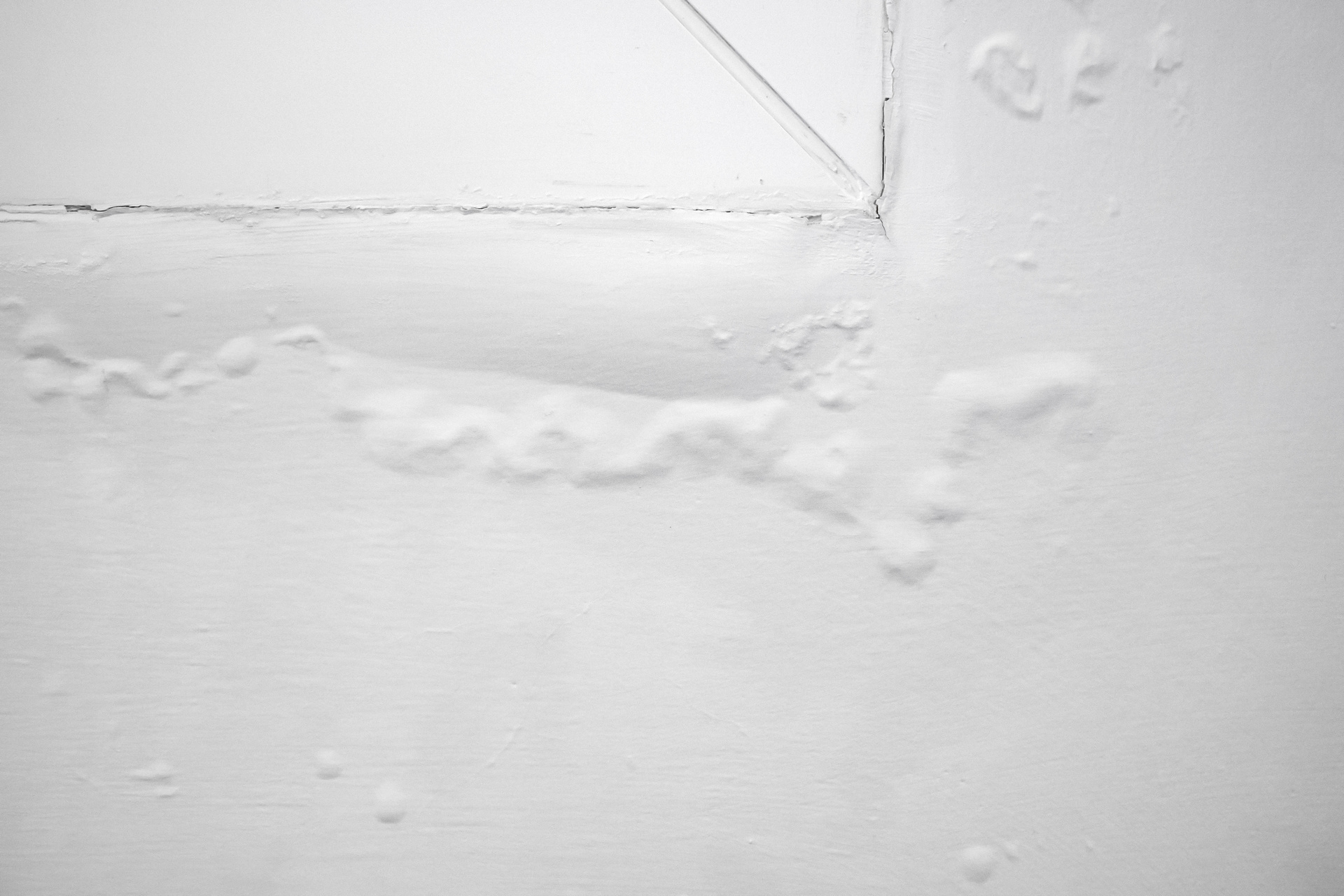
The location of an interior stain does not necessarily identify the exact location of the roof opening”
SLIDELL, LA, UNITED STATES, August 27, 2026 /EINPresswire.com/ -- A roof can appear completely dry from the outside while moisture remains trapped beneath the visible surface. Roofing membranes, insulation, decking, underlayment, drainage conditions, previous leaks, and condensation can all contribute to moisture that is difficult to detect through a visual inspection alone.— Jules Albert III
Jules Albert III, owner of Jaymar Roofing in Slidell, Louisiana, says the appearance of a roof surface does not always indicate conditions within the complete roofing assembly.
“A dry surface only provides information about the material that can be seen,” Albert said. “Moisture can exist beneath roofing materials long after the top surface has dried. Understanding where that moisture came from and which materials have been affected becomes an important part of evaluating the roof.”
Roof systems typically consist of multiple components rather than a single exterior layer. Depending on the building and roofing system, those components can include a roof covering or membrane, underlayment, insulation, vapor barriers, cover boards, decking, fasteners, adhesives, and structural materials.
Water can sometimes travel between those layers without producing an obvious wet area on the exterior.
Rainwater Can Enter Through Small Openings
Roof leaks do not always involve large holes or visibly damaged sections.
Water can enter through small openings around flashing, seams, penetrations, fasteners, drains, curbs, vents, rooftop equipment, or damaged roofing materials.
Once beneath the exterior surface, water may travel horizontally through insulation or along structural components before appearing somewhere else.
That movement can make the original entry point difficult to identify.
“The location of an interior stain does not necessarily identify the exact location of the roof opening,” Albert said. “Water can travel along decking, insulation, framing, or other materials before becoming visible inside the building.”
After rainfall stops, sunlight and airflow can quickly dry the exterior roof surface. Moisture trapped underneath may require considerably more time to evaporate, particularly when enclosed between materials.
Roofing Insulation Can Retain Moisture
Many commercial roof systems contain insulation beneath the exterior membrane.
Certain insulation materials can absorb or retain moisture after water enters the roofing assembly. The roof membrane above that insulation may dry within hours while moisture remains below.
Wet insulation can create several concerns.
Moisture can affect thermal performance, meaning insulation may no longer resist heat transfer as intended. Continued exposure can also affect adjacent roofing materials and contribute to deterioration within the assembly.
The extent of moisture can vary depending on the type of insulation, duration of exposure, amount of water intrusion, and configuration of the roofing system.
Condensation Can Develop Without a Roof Leak
Not all moisture beneath a roof originates from rain.
Condensation can occur when warm, moisture-containing air contacts a surface cold enough for water vapor to condense into liquid.
This can occur within roofing assemblies when temperature differences, humidity levels, insulation placement, ventilation, or vapor control conditions allow moisture to accumulate.
Commercial buildings can face particular condensation considerations because interior operations may generate significant amounts of heat or humidity.
Restaurants, manufacturing facilities, laundries, kitchens, warehouses, and other buildings can create interior environmental conditions that affect roofing assemblies.
“Finding moisture does not automatically mean rainwater entered through the roof,” Albert said. “Determining whether the source involves exterior water intrusion, condensation, plumbing, or another condition is part of understanding the problem.”
Ponding Water Can Increase Exposure
Low-slope commercial roofs commonly rely on drains, scuppers, gutters, and properly designed slopes to move water away from the building.
When drainage becomes restricted or sections of a roof settle, water can remain on the surface longer than intended.
This condition is commonly called ponding water.
The visible water may eventually evaporate, leaving the roof looking dry. However, extended water exposure can increase opportunities for moisture to enter through vulnerable seams, flashing, penetrations, or damaged materials.
Debris around drains can contribute to drainage problems, particularly after storms.
Previous Leaks Can Leave Moisture Behind
A roof repair may stop additional water from entering without immediately removing moisture already trapped inside the roofing assembly.
This distinction can become important during roof evaluations.
A repaired opening may no longer leak during subsequent rainfall, while insulation or other materials beneath the surface remain damp from earlier water intrusion.
Drying time depends on the materials involved and whether trapped moisture has a practical path for evaporation.
In some assemblies, moisture may remain enclosed for extended periods.
Interior Signs May Appear Later
Hidden roof moisture does not always produce an immediate ceiling stain.
Water may initially remain within insulation or other roofing materials.
Interior evidence can develop later as moisture continues moving through the assembly.
Possible signs can include ceiling discoloration, peeling paint, damaged ceiling tiles, unusual odors, corrosion, or changes in interior finishes.
However, the absence of these signs does not necessarily establish that the roofing assembly is dry.
Moisture Detection Can Extend Beyond Visual Inspection
Because hidden moisture cannot always be identified by looking at the roof surface, additional evaluation methods may sometimes be used.
Moisture meters can provide information about certain materials. Infrared thermography can identify temperature differences that may indicate areas requiring further investigation. Other roof moisture survey methods can also be used depending on the roofing system and conditions.
Infrared findings alone do not necessarily prove that moisture is present. Temperature variations can occur for multiple reasons, meaning suspected areas generally require interpretation and, when appropriate, additional verification.
“Roof evaluations involve gathering information from several places,” Albert said. “Surface conditions, interior evidence, drainage, penetrations, previous repairs, weather history, and moisture testing can all contribute to understanding what is happening.”
Louisiana Weather Can Complicate Moisture Conditions
South Louisiana combines heavy rainfall, high humidity, strong sunlight, and frequent temperature changes.
A roof surface can become wet during an afternoon storm and appear dry relatively soon afterward under direct sunlight.
Materials beneath the surface do not necessarily experience the same drying conditions.
Humidity can also slow evaporation, particularly in enclosed areas with limited airflow.
Storm-related damage can create additional pathways for moisture, including displaced flashing, damaged membranes, loosened materials, and openings around rooftop components.
For residential and commercial property owners, the difference between a dry roof surface and a dry roofing system is important.
Water does not always remain where it initially enters, and visible conditions represent only one portion of a complete roof assembly.
A roof that looks dry from above may therefore still contain moisture beneath the surface. Determining whether that moisture exists, where it originated, and which materials have been affected requires consideration of the entire roofing system rather than the exterior appearance alone.
About Jaymar Roofing
Jaymar Roofing is based in Slidell, Louisiana, and works with residential and commercial roofing systems, including roof evaluations, repairs, replacements, maintenance, and related roofing projects.
Morgan Thomas
Rhino Digital, LLC
+1 504-875-5036
email us here
Visit us on social media:
Facebook
Legal Disclaimer:
EIN Presswire provides this news content "as is" without warranty of any kind. We do not accept any responsibility or liability for the accuracy, content, images, videos, licenses, completeness, legality, or reliability of the information contained in this article. If you have any complaints or copyright issues related to this article, kindly contact the author above.
